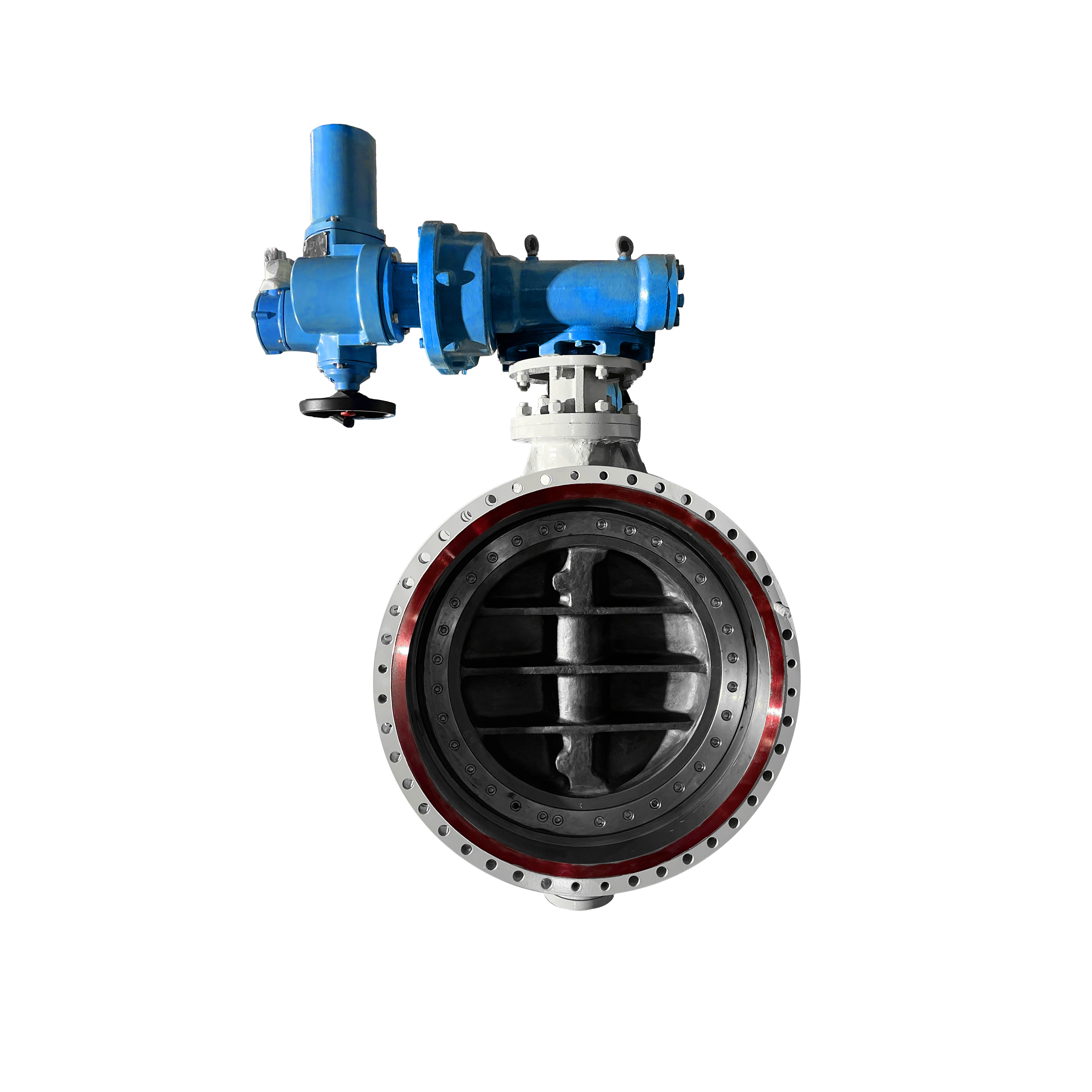
negotiation strengthening project spec gate valve assortments?
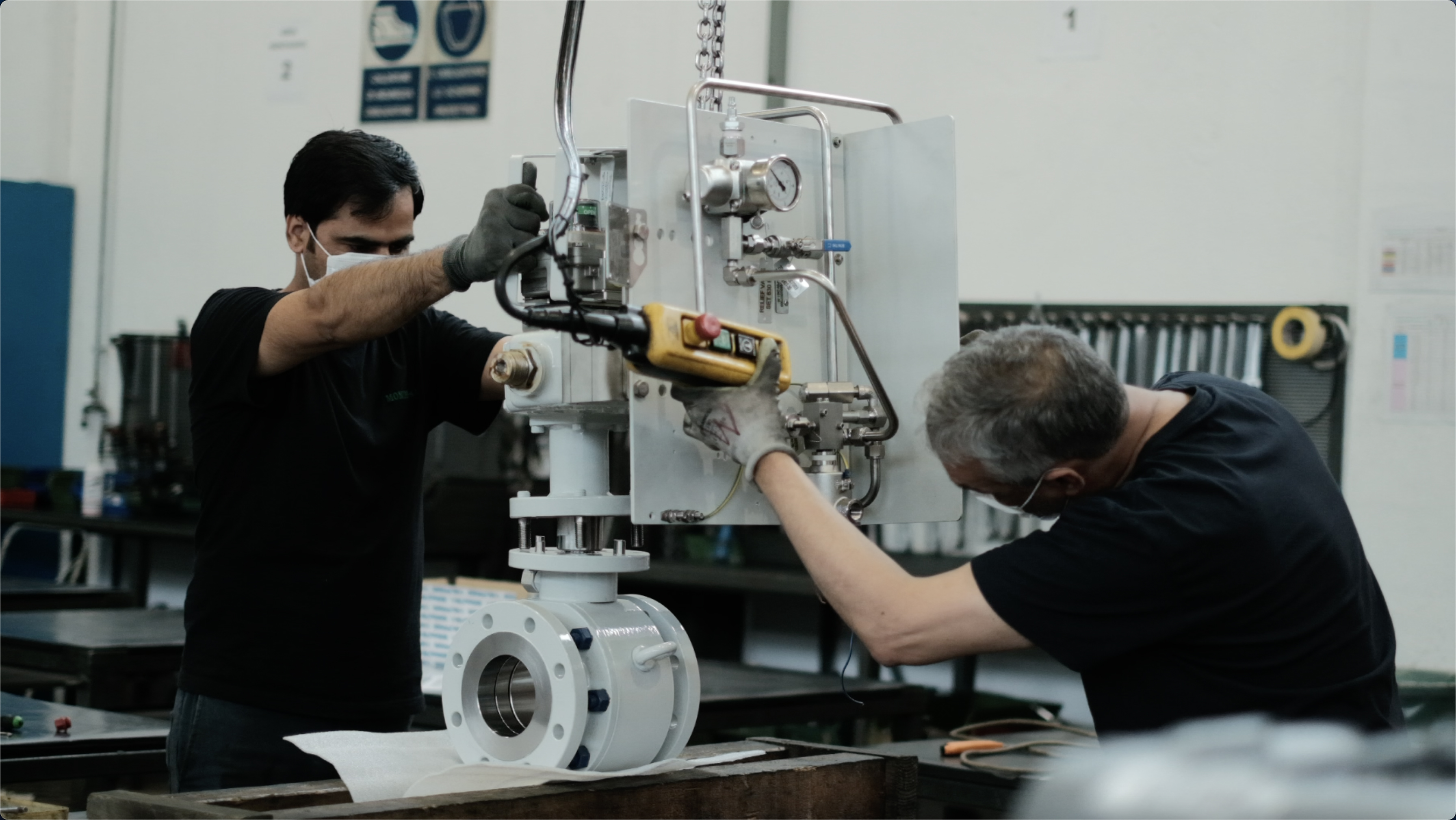
Initiating the ensuing comprehensive overview with respect to valves.
A straightforward fluid flow regulator constructed to enable absolute opening by shifting a blade inside the casement.
Acclaimed for straightforward design and proficiency in handling intense pressure, gate valves are widely employed. Popular within various industries involving hydrocarbons transport that requires absolute shutoff. Their straightforward actuation limits their application in contexts requiring incremental flow variations.Flow Mechanisms in Globe Valves
This control equipment utilizes a spherical plate mechanism to adjust fluid volumes within conduits. The principal aim is to block entirely or permit fluid movement as required. Esteemed due to their fine-tuned modulation features, they suit processes with rigorous flow requirements.
Limitations encompass increased resistance caused by the narrow channel formed by the obstruction. Further to this, sophisticated engineering raises budgetary demands. Even with these concerns, globe valves are selected frequently for meticulous flow demands.
Check Valve: Preventing Backflow in Piping Systems
This valve type is vital in preventing backward fluid movement within pipe networks. These devices facilitate unidirectional movement, sealing closed on opposing flow tries. Prevention measures guard fluid cleanliness, system endurance, and sensitive equipment safety.
Additionally, check valves serve crucial roles in household pipes, factory lines, and automobile fluid circuits. Flexibility in application renders them integral to contemporary fluid system designs.
Comprehending Ball Valve Engineering
Recognized for toughness, ball valves maintain prevalence within extensive operational contexts. Their simple design consists of a hollow ball with a bore that rotates to control the flow of fluids. Its configuration guarantees consistent operation adaptable to numerous use cases.
- {Advantages include: ease of operation, tight shutoff, and versatility for various temperatures.|Key benefits involve user-friendly operation, excellent sealing, and adaptability to temperature extremes.|Features provided are simple handling, reliable closure, and suitability for diverse thermal ranges.|Benefits encompass straightforward control, dependable shutoff, and application flexibility over conditions.|Positive traits comprise effortless use, secure sealing, and compatibility with multiple heating limits.|Valued characteristics cover uncomplicated operation, superior closure, and broad temperature endurance.|Notable perks feature convenient handling, tight sealing, and robustness across temperature spans.|Significant advantages include easy management, leak-proof closure, and adaptability for temperature variance.|
Valve Selection Guide for Gate, Globe, Check and Ball Valves
Valve mechanisms are vital for managing liquids in both commercial and housing industries. Gate valve designs emphasize hardiness and straightforwardness for complete flow cessation. Differing by form, globe valves employ downscaled cones for refined flow supervision. Check valves maintain one-way flow avoiding reflux with ball valves facilitating seamless use. Valve suitability relies heavily on targeted flow control necessities and uses.
- Diaphragm valves
- Ball valves are ideal for frequent cycling.|Ball valve designs suit repetitive use cycles well.|Ball valves accommodate high-frequency operation efficiently.|Chosen ball valves excel in frequent on-off cycles.|Ball valves perform reliably under repeated toggling.|These ball valves tolerate continuous operation cycles.|Ball valves adapt favorably to consistent cycling demands.|Preferred ball valves endure regular operational toggling.|
- Attention to pressure and thermal parameters is crucial for valve choice.
Selecting Suitable Valves for Intended Functions
Crucial at the start is understanding the flow medium's properties and behaviors. Following that, understanding pressure ratings critical to your scenario is vital. Due to broad assortment in valve parameters, selecting congruent components is key.
- Beyond that, you should pay attention to the material of the valve.|Further to this, valve substance characteristics must be examined.|Additionally, focus should be given to construction materials used.|It is also essential to evaluate valve composition elements.|Moreover, valve material suitability requires careful consideration.|Besides, reviewing material properties impacts valve selection.|Likewise, appraisal of constituent substances is fundamental.|Notably, attention to valve fabric materials is indispensable.|
- {Different materials have differing properties that make them suitable for various applications.|Material diversity leads to distinct features facilitating application-specific uses.|Compositional variation influences performance traits aligned with selected operations.|Distinct substance attributes determine the appropriateness for different tasks.|Variations in material quality affect functional compatibility across scenarios.|Material differences contribute unique characteristics tailored for applications.|Divergent construction elements bring specialized features fitting varied uses.|Various material traits enhance performance in specified application contexts.|
Valve Dimensioning and Efficiency Parameters
Choosing proper valve sizing governs the system's effectiveness. Multiple criteria guide valve choice such as volumetric flow, pressure differentials, and heat conditions. System specs and construction elements significantly steer suitable valve options. Thorough inspection permits selection favoring higher efficiency and reduced consumption loads.
Addressing Typical Valve Malfunctions
Prompt root cause determination is vital amid valve malfunctions. Common setbacks comprise dripping, flow stoppage, and mismanagement. Surveying external state, fixture tightness, and uncommon wear spots helps detect issues.
- Regularly inspect/Periodically check/Frequently examine/Consistently review/Routinely assess/Systematically monitor/Scheduled audit/Constantly verify your valves for any signs of damage.|Securely fasten/Ensure proper tighten/Confirm stability/Verify firmness/Check snugness/Validate connection strength/Authenticate joint tightness/Ascertain fitting security that all connections are tightened.|Maintain cleanliness/Keep free of debris/Remove contaminants/Preserve tidiness/Clean thoroughly/Prevent accumulation/Manage cleanliness/Retain debris-free status around valve areas.
Standard Care and Surveillance of Operational Valves
Process control valves handle pivotal activities promoting secure and proficient substance handling. Protecting valve efficiency hinges on ongoing audits and care procedures. Detailed assessments cover corrosion presence, surface wear, and physical damage. Regular lubrication decreases friction enhancing service duration. Logging comprehensive maintenance records aids systematic servicing and repair tracking.
Comprehending Automated Valve Controllers
Control units for valves constitute essential elements across industries. Valve controllers adjust flow paths for assorted media in complex productions. Process automation applies actuator technology for superior operational consistency and security. Monitoring tools communicate with actuators allowing on-demand valve adjustment. Actuator classifications include compressed air, fluid power, electrical energy, and solenoid mechanisms. Tailored actuator technologies address requirements involving strength, environmental suitability, and precise command.
Valves Powered by Hydraulic and Pneumatic Actuators Compared
Hydraulically and pneumatically actuated valve systems each hold major importance in process control. Alternatively, operation derives from varying power sources and dynamics. Hydraulic valve actuation involves liquid pressure, whereas pneumatic uses gas compression. Consequently, disparities appear in output power, responsiveness, and control fidelity. High power output characterizes hydraulics, fitting robust heavy-load environments.
In summary this complete review of valve mechanisms and uses, all indications suggest that the best valve choice hinges on knowing system requirements and functional conditions. Dedicated care together with expert insights improves valve durability and operation. Competence in valve selection and handling ensures operational superiority. Hence finishes our full synopsis of valve categories and technological impact.