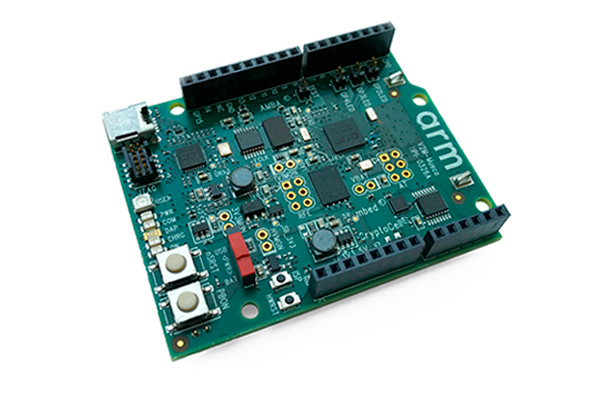
Studying diverse microprocessor capabilities Are embedded system software development environments and tools more mature on x86 or arm

Since the beginning, the hardware realm has been shaped by two prominent schemas: the ARM and x86 models. Neither framework mirrors mutual strengths, leading to a fierce competition for market share. While x86 as the long-standing model, has long held the crown in PC and server domains, ARM's emergence is notably astonishing.
The efficiency edge of ARM, coupled with its versatility, has made it a dominant choice for smartphones and embedded platforms. However, ARM is now aspiring to conquer new arenas, including thin clients and information centers. This plan has galvanized the entrenched x86 champions, who are countering with advanced creations to maintain dominance.
- Primary discrepancies in frameworks shape hardware behavior, power consumption, and overall system design.
- The changing demands of users are driving the demand for more effective computing solutions.
Finally, the struggle of ARM and x86 unfolds as a lively and mutable environment, with both platforms continuously evolving to meet the demands of a rapidly changing world. The outcome of this conflict remains to be seen, but one thing is certain: the future of computing will be shaped by the innovations and advancements of these two titans.
arm vs x86Choosing ARM or x86 CPU for Maximum Output
Across the dynamically shifting digital sector, selecting the leading computational model can be a daunting task. Two titans dominate the market: ARM and x86. Both offer compelling benefits, but their performance aspects diverge significantly. This thorough analysis delves into the core of each architecture, empowering you to make an informed resolution.
- Capacity
- Energy Efficiency
- Budget
Performance indicators will be reviewed, real-world contexts, and the merits of each architecture, helping you determine which platform best suits your requirements.
Causes of ARM's Popularity Over x86 in Embedded Solutions
ARM silicon solutions dominate embedded hardware arenas. This preeminence results from assorted notable origins. First, ARM's architecture is inherently power-efficient, making it ideal for devices with limited power budgets. Second, the ARM ecosystem features an extensive and vibrant network of developers and hardware partners, providing ample support and progress. Finally, ARM's open-source approach enables tailoring for unique scenarios, leading to a wide range of answers. These factors have unified to highlight ARM prominence for countless embedded devices, from smartphones to smartwatches and even industrial technology.
Superior x86 SBC Options for Power Tasks
Electing the finest x86 SBC demands analysis, especially when you're a expert operator. You need a device that can process substantial data, offer reliable features, and provide a platform for heavy-duty jobs.
- Several factors contribute to the best SBC for your needs, including processing power, RAM capacity, storage options, connectivity features, and community support.
- For genuine experienced personnel, a board with a efficient computing unit like Intel i5 or AMD Ryzen 5 is essential.
- In addition to abundant RAM and swift disk features need for smooth and efficient operation.
Refrain from settling for bare essentials; invest in a platform that can effectively boost your initiatives.
Extensive Insight into x86 Single Board Computers
Examining economical x86 SBC options brings promising results. These miniature platforms offer a wealth of possibilities for hobbyists. From building networked dwellings to programming tools, x86 SBCs provide a dynamic, affordable ground for experimentation. This guide will facilitate exploration of the broadening x86 SBC universe, discovering features of these versatile technologies.
- Review genesis and effect of x86 SBCs on electronic revolution.
- Evaluate standard x86 SBC offerings by capacity and suitable markets.
- Know indispensable instruments building an x86 SBC unit.
- Uncover software ecosystems around x86 SBCs featuring system software and dev utilities.
- Showcase inventive solutions leveraging x86 SBCs across industry verticals.
Development of ARM Technology for Desktop Applications
While generally famous for nomadic device authority, ARM architecture is steadily making inroads through workstation domains. Several factors contribute to this trajectory, including the increasing demand for energy-efficient computing and the growing popularity of cloud-based applications. Companies like Apple are already leveraging ARM processors in their MacBooks, demonstrating the potential for high output. This trend is further fueled by the development of new schematics specifically tailored for desktop workloads. As these innovations mature and become more widely available, we can expect to see ARM's presence enhance considerably during upcoming durations through desktop technology realms.
Selecting Between x86 and ARM To Match Your Computing Demands
When choosing a computing unit, two major design philosophies present: x86 and ARM. Both offer distinct benefits, making the decision a matter of aligning your needs with the right platform.
Classic x86 design benefits from tough performance plus expansive program collections It controls in desktops, laptops, and workstations, particularly for demanding tasks like gaming or video editing. ARM, on the other hand, accentuates energy efficiency and a compact design. This allows it ideal for mobile devices, embedded systems, and increasingly, online service centers.
- Ponder your leading working context: Are you a content creator? Do you need raw power or economical energy consumption?
- Examine software running ability on various models. Not all applications are available on both platforms.
- Weigh expenses and market supply relative to your preferred system.
Petite yet Robust Elite ARM-Based Computers
The world of single board computers has exploded in recent years and ARM processors dominate due to efficiency and versatility. These compact units pack a surprising punch, offering incredible capabilities within a diminutive footprint. For hobbyists, makers, and even professionals, ARM-based SBCs provide a affordable platform for everything from learning about electronics to building fully functional constructs. Whether you're looking for a budget-friendly option or a high-performance powerhouse, there's an ARM-based SBC out there to meet your needs.
- Join us in investigating prominent choices in this growing industry!
Analyzing ARM and x86 Computation Tests
Placing ARM against traditional x86 schematics in testing yields compelling data. While x86 has traditionally ruled processing ability, particularly for laborious operations, ARM systems are consistently narrowing differences, especially in areas like mobile performance and energy efficiency. The recent surge in popularity of ARM-based cores used in notebook and desktop systems further fuels this battle. It's important to note that benchmark results can be altered with different influences, including the specific variant trialed, application burden, plus the OS environment. Therefore, it's crucial to weigh tests' meaning beyond just ratings.
Is ARM Becoming Dominant Over x86 as Standard
The computing landscape is constantly shifting, and one of the most fascinating shifts observed include ARM's ascendancy. While x86 has long held sway the market, ARM's power-saving capabilities become increasingly appealing. This has led to speculation that ARM probably surpass x86 as the principal architecture.
- Diverse drivers motivate this transition: ARM's eco-friendly design benefits mobile appliances, ultramobile computers, and cloud hosts.
- Besides, ARM's broad licensing policy boosts invention within the market, constructing expansive collections of ARM-built chipsets.
Yet x86 preserves a commanding market share. Principal companies commit sizeable funding for x86 innovation, and current deployments will keep working for a long time.
Ultimately it is unclear whether ARM will fully replace x86. The software environments adapt toward mutual support of ARM and x86, with each acting effectively across multiple computing fields.
The Future of Computing A Look at ARM and x86 Convergence
The informatics sector accelerates changes. Once distinct architectures, ARM and x86 are now on a collision course, converging to reshape the future of processing power. This convergence presents exciting opportunities for developers and consumers alike. ARM's energy efficiency and compact design have made it the dominant force in mobile devices, while x86 has long reigned supreme in desktops and servers. However, the boundaries are fading, driven by factors such as the increasing demand for mobile computing and the rise of cloud services.
- This coalescence tends to spawn expanded gadget varieties, powered by hybrid architectures that capitalize on powers of both platforms. This could result in boosted mobile appliances delivering extended uptime paired with efficient server farms.
- Additionally engineers receive broader technological resource collections, enabling them to create innovative applications that advance technological horizons. The future of computing promises remarkable outcomes, with ARM and x86 convergence playing a pivotal role in shaping the next generation of technology.