value oriented bag filtration solutions from specialists?
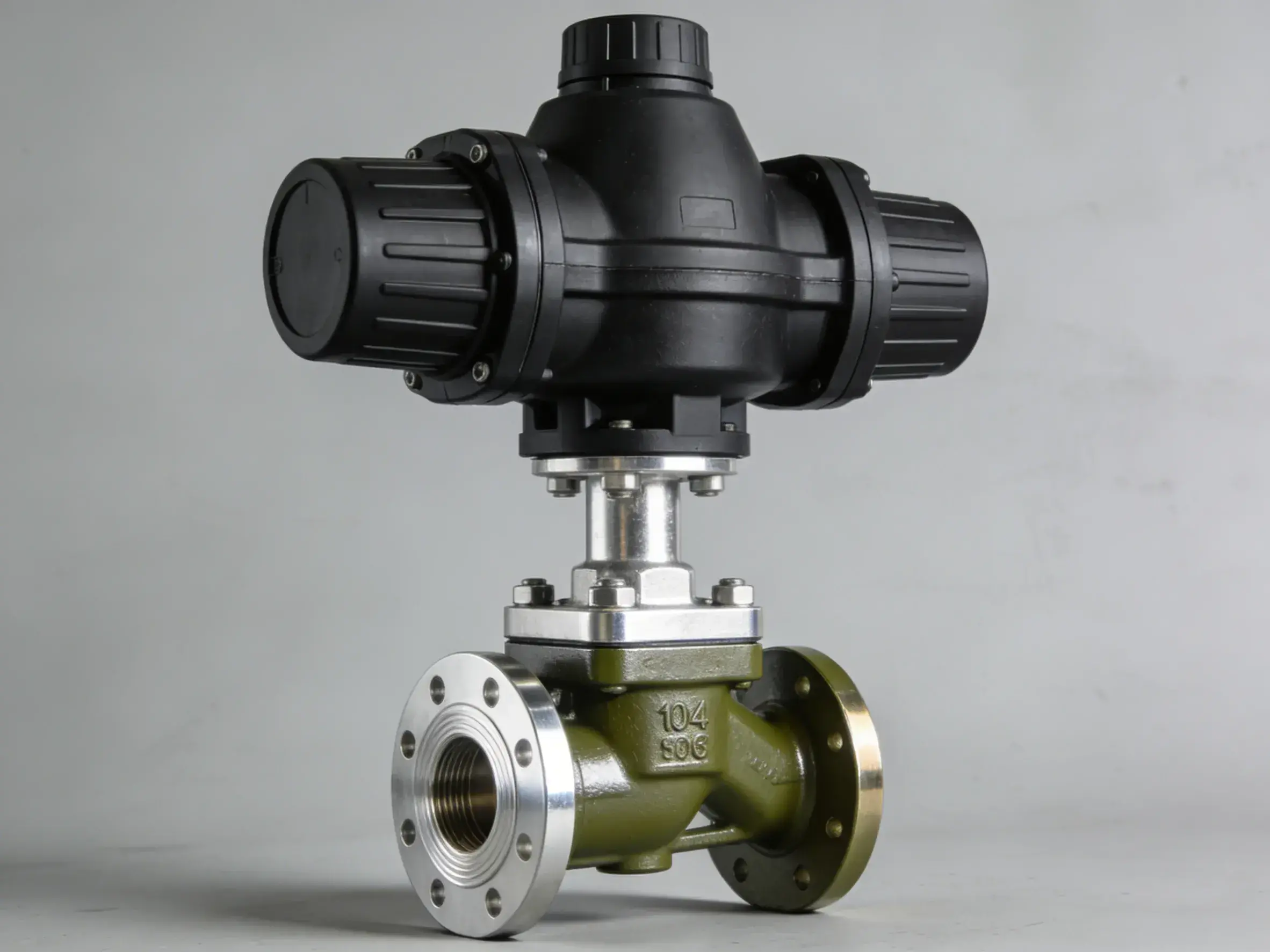
Important industrial valve picking increases efficiency and entire system effectiveness. To ensure optimal operation, there is a need to carefully select valves that suit application conditions.
A comprehensive valve selection guide should consider a array of variables like fluid properties, force magnitude, thermal parameters, flow amount, and steering demands. Besides, establishing the needed valve operation model such as pneumatic, hydraulic, or electric is crucial.
Analyzing Butterfly Valve Performance: An In-Depth Review
Establishing ideal operational parameters for butterfly valves is important for specialists wanting consistent and effective system control. The investigation highlights significant factors shaping butterfly valve performance, such as material qualities, working circumstances, and analytical methods. Via detailed evaluation of those factors, the text seeks to offer an extensive comprehension of influences on butterfly valve effectiveness.
- Design characteristics prominently impact entire productivity
- Fabrication materials of valve housing markedly govern robustness during assorted functioning circumstances
- Pressure drop is a key consideration when evaluating butterfly valve performance, especially in applications requiring high flow rates
Ball Valve Applications in High-Pressure Systems
Ball valves prove to be robust selections for handling elevated pressure tasks. Their straightforward construction features a rounded sphere with an opening that spins to regulate liquid movements. This design efficiently manages elevated pressure circumstances due to its robust closure.
Within sectors like petrochemical, ball valves assume a vital part in controlling elevated pressure lines. Their hardiness identifies them as adapted to withstand the pressure of increased pressure content.
- Also, ball valves exhibit accelerated responses, promoting efficient flow governance.
- Accessible in several compounds and capacities, ball valves customize to address distinct necessities of assorted heightened pressure contexts.
Understanding Valve Types and Their Functions
Within fluid technology, valves act an indispensable part in directing flow of fluids or air. Selecting the appropriate valve type is paramount to ensure efficient system performance. Valves are grouped according to their working basis, architecture, and intended purpose. Common valve types include gate valves, globe valves, check valves, ball valves, and butterfly valves. All styles express special properties, qualifying them suitable for defined scenarios. For illustration, gate valves control flux entirely, while globe valves ensure accurate modulation of amount. Check valves avoid backward movement, maintaining one-way travel. Ball valves execute quick and trustworthy toggle control, whereas butterfly valves are effective under big capacity demands.
Maximizing Flow Adjustment with Industrial Valves
Adjusting flow constitutes a fundamental element within diverse industrial tasks. Industry valves hold a decisive position in managing liquid and vapor streams across frameworks. Utilizing correct valve models merged with deliberate regulation methods enables companies to improve production efficiency, protection, and quality assurance.
A central part of maximizing flow regulation requires knowledge of assorted valve employments. Distinct valve configurations fit exclusive flow traits, load limits, and working conditions. For example, globe valves tend to be utilized for flow regulation, whereas ball valves prove outstanding in stop-start functions.
To maintain exact flow governance, one must evaluate criteria including valve scale, operating mechanisms, and regulation setups. Utilizing modern control devices, including programmable logic systems, enables computerized flow supervision and modification, boosting operational output.
Scheduled inspections of industrial valves are critical for limiting failures and maintaining precise flux handling. Recognizing emerging defects ahead can lessen costly production halts and secure seamless management of essential tasks.
Preservation Procedures for Production Valves
Regular conservation of industrial valves proves fundamental for assuring uninterrupted and stable functioning throughout facilities. A detailed routine must be followed, involving periodic checks to uncover prospective concerns ahead of critical breakdowns. Applying lubricant to valve sections adhering to supplier counsel substantially boosts lifespan and lessens resistance. Also, caring for valves by purifying obstructions contributes to seamless functioning.
A thorough servicing scheme should encompass record-keeping of all operations conducted on valves, detailing schedules, workers, and exchanged parts. Meticulous logging aids observation of valve functionality across durations and encourages prudent decisions for later upkeep.
Automation's Impact on Valve Functioning
Automation adoption has shifted valve handling practices significantly. Applying automated functions offers superior valve command, lowering manual interferences and advancing performance. Robotic valve operation delivers multiple gains like amplified exactness, lessened interruptions, and strengthened safety
- Sensors play a crucial role in automated valve systems, providing real-time data on valve position. The system evaluates these signals to automatically alter valve controls
- Automation control modules routinely govern electronic valve tasks, enabling complex command strategies. These platforms oversee valve condition, recognize malfunctions, and trigger resolution steps
In addition, computerized valve control supports refined operational monitoring. Accruing valve performance signals assists supervisors in gathering precious cognition to advance system efficiency and lessen overhead
Primary Safety Requirements for Industrial Valve Assembly
Upon placing industrial valves on premises, stern safety rules must be enforced. Overlooking those safeguards might cause critical incidents, possibly ending with asset harm and especially personnel wounds. A meticulous hazard evaluation must occur before assembly to discover possible threats and apply effective safety controls.
Guarantee all workers engaged in setup operations receive sufficient instruction and accreditation related to valve control and adherence to safety protocols. Establish a routine schedule of periodic checks to detect any wear or issues affecting valves. Store precise files including all assembly, survey, and maintenance processes for continuous tracking
- Follow suitable business criteria and legislation supervising valve establishment and operation
- Engage relevant tools and technology purposed for operational valve establishment
- Interact transparently with all contributors addressing the task to affirm safe and productive setup
Valves: Necessary Elements for Processing Industries
Throughout the elaborate domain of industrial/fabrication/processing fields, valves act as essential parts. Their duty includes governing fluid flow in advanced architectures, upholding consistent productivity and safety. Valves find employment across broad usages, including regulating heat and pressure plus moving materials
- Several valve classes appear, each shaped to produce precise operations. Common representations cover gate, ball, and globe valves
- Decision on valve type assesses elements such as flow amount, stress, temperature bracket, and fluid kind
- Solid valve performance constitutes a fundamental requirement in manufacturing fields to prevent interruptions and deliver quality goods
Systematic review of valves contributes significantly to enhancing life expectancy and foreseeing problems
Leading-Edge Elements in Valve Design and Manufacture
The growth of valve designing and manufacturing largely associates with extensive application of progressive compositions. These modern compositions grant several refined attributes over traditional picks, facilitating makers to assemble more powerful valves. Typical examples include solid ceramic compositions used for hardness amid demanding surroundings, combined with lightweight metal alloys enhancing output while decreasing heaviness. The application of state-of-the-art materials results in valves presenting upgraded sealing quality, extended lifespan, and improved corrosion tolerance
Valve Actuation Mechanisms: A Comparative Study
{This investigation delves into the diverse valve actuation mechanisms prevalent in modern engineering applications|This exploration examines the varied valve drive technologies common in contemporary engineering uses|The study analyzes the mixed valve triggering systems typical in current engineering projects|This research evaluates the assorted valve motion methods widespread in advanced engineering scenarios|The survey inspects the multiple valve control techniques existing in up-to-date engineering solutions|This review considers the assorted valve operating mechanisms encountered in present-day Filters Valves engineering environments|This analysis explores the various valve activation systems found in progressive engineering implementations|The inquiry scrutinizes the heterogeneous valve act